If I asked the woman sitting next to me in a Park Slope coffeeshop what she would do if given $15 to make a healthy meal for her family, the response “I would go to Whole Foods and buy organic vegetables” would not surprise me. But when this was the response I heard from a participant in a healthy cooking class for low-income seniors in New Orleans, I was caught off guard. New Orleans has a large amount of people who are food insecure, and a few census tracts that still qualify as food deserts. The amount of grocery stores has only in the past two years reached pre-Katrina levels, but they aren’t evenly distributed throughout neighborhoods, and neighborhoods with the lowest socioeconomic status are still the worst affected.
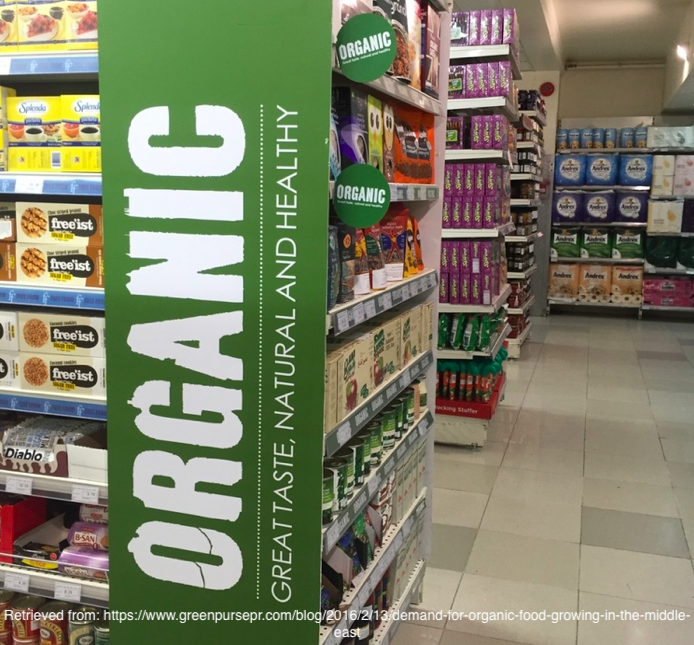
The group for this cooking class was made up of seniors who had been sent on doctor’s orders. They received personalized nutrition sessions and group cooking lessons, where we taught things like knife-skills and how to meal-plan for a family. We covered topics from reading nutrition labels to the merits of whole-wheat bread, but we hadn’t even mentioned organic in a month of classes. So why now, did buying organic seem like the “right” answer?
As far as public health issues go, nutrition is undeniably universal. In recent years, at least in the United States, the so-called “obesity epidemic” and growing burden of chronic disease have shifted nutrition interventions from services that provided food to the undernourished, to a focus on what products are being consumed. General confusion is compounded by nutritional science that is constantly changing (is coconut oil full of good fats or not? I’ll never know) and food companies or agricultural groups that market their products as though they were themselves waging a public health campaign. If anything, Amazon’s recent acquisition of Whole Foods should tip us off that there is more capitalism involved in the whole “nutrition” endeavor than a sense of the best interest of people and the environment. A USDA approved organic label is only given to farms that can afford to have an inspection in the first place, which leads to higher price-tags to make up for that cost. As a result, we have reached a point where organic has come to mean “better” and “healthier,” but sometimes for the wrong reasons, and at the expense of what?
An over-zealous embrace of the organic and farm-to-table food movements may be doing more harm than good for those who are already worse off. Though empirically good things, these are only better options for those who have enough money to participate in them, and may have insidious effects for those who cannot. In the WHO’s guidelines for the right to health, they present four elements to good health as AAAQ, which can be aptly applied to the right to food: availability, accessibility, acceptability, and quality. When consumers with the most purchasing power set the terms of acceptability and quality, availability and accessibility are diminished, arguably more important factors when it comes to getting food on the table.
Even more recent public health campaigns tackling food consumption have taken a stance of limiting choices. The NYC subway-ads featuring fat pouring out of a soda can are an use shame and fear as the motivating factors to eat healthy. These “nudges” are justified by paternalism that seeks to protect people from making harmful choices, but what better option is offered instead? These campaigns seek to limit unhealthy behaviors with shame and stigma, but they don’t do enough to offer better alternatives. What’s really irresponsible, and even unethical, is not providing access to healthy options but shaming people for eating what they can afford, telling people to lose weight but not teaching them how to cook a healthy meal.
Fresh produce subsidies for corner stores, free cooking classes, SNAP-EBT initiatives at green-markets – these interventions all take a step in the right direction. However, beyond the purview of the health department, it is important to remember that we as consumers have the power to influence the market, and even what is “healthy.” We must remember how this power affects the lives of those around us. We live in a time in which consumer choice is immense, but this makes it easy to forget that not everyone has access to these choices.
So yes, I think organic is better, but not better than having enough money to buy enough food, and there should be no shame or stigma in buying a bag of frozen vegetables over a head of organic kale, especially if that allows someone to buy more food in the long run. Until we address the structural issues that make these unattainable goals for some, we are not really working towards better nutrition for all.
-Rachel Meirs
 Health Comm Blog - Obesity in the South Bronx